Introduction: The Critical Evolution of Smishing
In 2026, the smartphone is no longer just a communication tool; it is the vault of our digital identity. This is precisely what makes it a prime target for cybercriminals. While email phishing was long the primary threat, we are now seeing the dominance of "Smishing" (a portmanteau of SMS and phishing). This method, which involves sending fraudulent text messages to steal sensitive information, has reached an alarming level of sophistication.
The era of messages riddled with spelling mistakes and unrealistic promises of winnings is over. Today, attackers use artificial intelligence to perfectly mimic the tone and structure of official communications. From fake fine notifications to urgent alerts from a bank or public service, smishing exploits our reflex to trust the SMS channel, which is perceived as more intimate and immediate than email.

New Fraud Tactics in 2026
To protect yourself, you must first understand how attackers operate. Modern smishing does not rely on a technical flaw in the mobile network, but on social engineering: the art of manipulating human psychology to trigger an action.
Institutional Imitation and "Spoofing"
One of the most formidable techniques is Sender ID Spoofing. Fraudsters manage to make the name of a known institution (such as "AMELI," "Tax Office," or "La Poste") appear instead of a phone number. The message then inserts itself into the same conversation thread as legitimate messages received previously, making the scam almost invisible.
Affective Smishing and the "Warm-up"
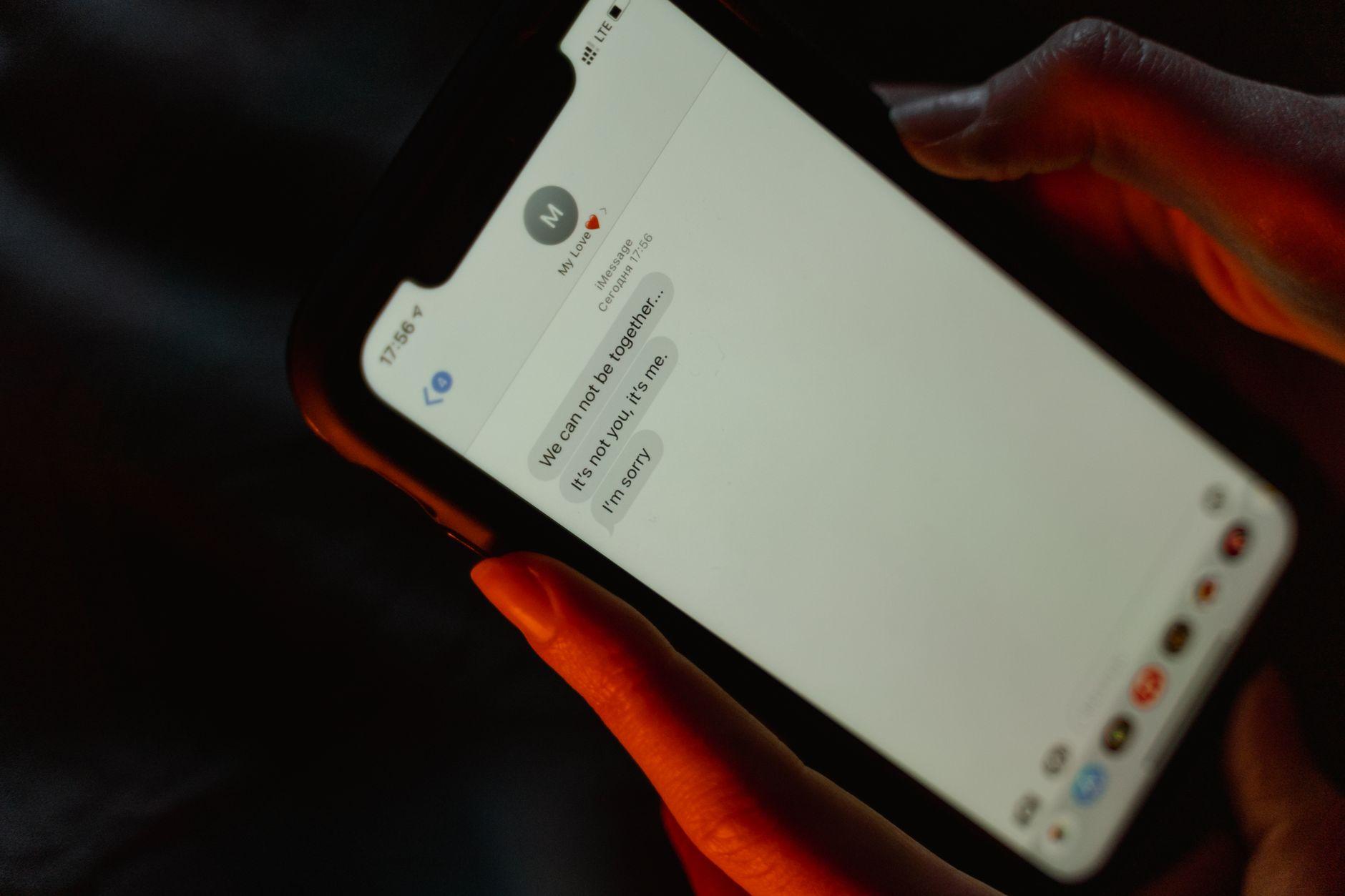
There is a rise in so-called "trust-building" or warm-up messages. Instead of immediately requesting payment, the fraudster sends a banal message: "Hello, is this you?" or "Are you at home?" Once the victim responds, a malicious link is sent under a plausible pretext (a lost package, a delivery error), creating a psychological bond that lowers vigilance.
The Fake Delivery Scam: A Reinvented Classic
The blocked package scenario remains a pillar of smishing. In 2026, these messages have become hyper-personalized. They sometimes mention plausible details about recent orders, pushing the user toward mirror pages whose design is identical to the official carrier sites.
How to Recognize a Fraudulent SMS?
Despite the sophistication of the attacks, certain red flags persist. Learning to identify them is the first line of defense.
1. Artificial Urgency
Smishing systematically relies on fear or urgency. The following terms should alert you:
- "Immediate action required"
- "Your account will be suspended within 24 hours"
- "Unpaid fine: settle now or face legal action"
2. Suspicious Links and Shorteners
Official organizations rarely use URL shorteners (such as bit.ly, t.co) for requests for sensitive data. Examine the URL carefully: a site ending in .net, .top, or featuring a slight misspelling (e.g., ameli-health-security.fr instead of ameli.fr) is systematically fraudulent.
3. Requests for Confidential Data
This is the golden rule: no administration, bank, or health service will ever ask for your password, secret code, or banking details via SMS.
| Message Type | Red Flag | Recommended Action |
|---|---|---|
| Bank | Request for identity validation via link | Call your advisor via the official number |
| Administration | Fine notification or refund | Log in via the official portal (e.g., impots.gouv.fr) |
| Carrier | Customs fees to pay for package | Verify the tracking number on the carrier's official site |
| Crypto/Finance | Security alert on Binance/Coinbase account | Use the official app, never click the SMS link |

Technical Protection Measures
Humans are the target, but technology can provide an effective shield. Several mechanisms are now available to limit the impact of smishing.
OS Intelligent Filters
Google Messages and Apple iMessage have integrated automatic spam detection systems. These tools analyze mass sending patterns and flag suspicious messages. It is strongly recommended to activate these security options in your messaging app settings.
The Role of Cybersecurity Start-ups
New solutions are emerging to fight smishing at the source. French start-ups, such as Riot, are actively working to detect and block trapped SMS messages before they even reach the user's phone by analyzing suspicious message flows on a large scale.
Multi-Factor Authentication (MFA)
The use of two-factor authentication (2FA) is indispensable. However, be careful: cybercriminals are now attempting to intercept SMS codes. Prioritize authentication apps (Google Authenticator, Authy) or physical keys (YubiKey) over SMS to secure your accounts.
What to Do in Case of a Mistake?
If you have clicked a link and entered your information, every second counts. Here is the immediate course of action:
- Bank Opposition: Contact your bank without delay to block your cards and online access.
- Change Passwords: Change the passwords for all accounts using the same credentials as those compromised.
- Official Reporting: Report the scam on the government platform Internet-Signalement.gouv.fr or via the 33700 service (the unique number for reporting unsolicited SMS in France).
- System Analysis: If you downloaded a file or installed an app via the link, perform a full scan of your device with a recognized antivirus.
"Vigilance remains the best protection. Any doubt should systematically lead to abandoning the link and verifying via an independent channel." — Santé publique France.
Conclusion: Toward Increased Digital Hygiene
Smishing in 2026 is no longer a simple nuisance; it is a structural threat to our privacy and financial assets. Faced with attacks that mimic reality with surgical precision, the only effective response is the adoption of rigorous digital hygiene.
Distrust should not be systematic, but it must be a reflex. By combining human vigilance, the use of modern filtering tools, and the active reporting of fraud, we can drastically reduce the effectiveness of smishing networks. Remember: in the digital world, haste is the fraudster's ally. Take the time to verify, and never let an SMS dictate your urgent actions.