Introduction: When the Guardian of Your Line Becomes the Flaw
By 2026, we have delegated blind trust to our mobile phone operators. A phone number is no longer just a tool for reachability; it has become the anchor of our digital identity. It is via our SIM card that we receive bank validation codes, access our emails, and secure our administrative logins.
However, recent events—notably massive data breaches affecting players like Bouygues Telecom or cyberattacks targeting public services like ANTS—reveal a systemic vulnerability. When an operator falls victim to an intrusion, it isn't just bills that are exposed, but the very infrastructure of our trust. The risk doesn't stop at simply receiving unwanted advertisements; it extends to identity theft and total control of our digital accounts.

The Domino Effect: From Data Breach to Account Hijacking
A data breach at a carrier is not limited to the disclosure of a name and a number. Modern databases often contain precious information: email addresses, dates of birth, and sometimes even fragments of customer account identifiers.
The Danger of SIM Swapping
The most critical risk following a data breach is SIM Swapping. Armed with stolen personal information, a cybercriminal can contact the operator's customer service while impersonating you. By claiming to have lost their SIM card, they request the transfer of your number to a new chip in their possession.
Once the number is intercepted, the hacker has direct access to all your SMS messages. Since the majority of services still use SMS for two-factor authentication (2FA), the criminal can reset your banking passwords, access your social networks, and even impersonate you with tax authorities. It is an invisible attack: you only notice the problem when your phone suddenly loses all network signal.
Precision Targeting via Smishing
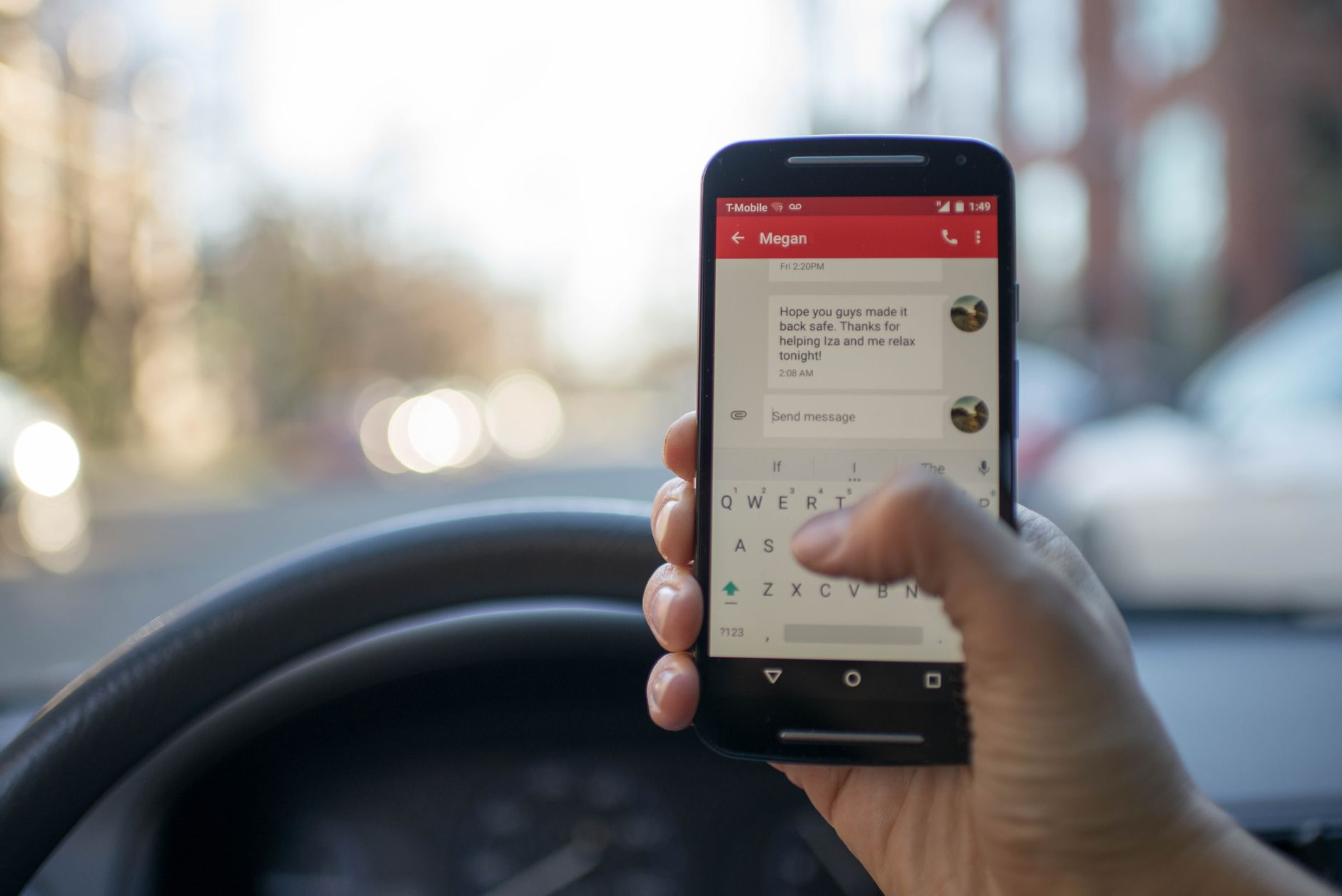
As highlighted by ANSSI, stolen data allows attackers to move from mass smishing to targeted smishing. Instead of a generic message, you receive an SMS specifically mentioning your operator, your plan, or even a real customer reference number. This precision drastically increases the click-through rate, as the victim legitimately believes the message comes from their service provider.
How to Know if You Are Affected?
When a data breach is announced, panic is often the first reaction. However, a methodical approach is necessary to assess your exposure.
1. Official Channels and Alerts
Under the GDPR, operators have a legal obligation to inform affected users. Monitor your emails and customer portals. However, be careful: hackers often use the announcement of a real breach to send fake alert emails containing malicious links. Never click on a link asking for your credentials to "check if you are a victim."
2. Using Verification Tools
Services like Have I Been Pwned or credit monitoring tools allow you to find out if your number or email appears in databases sold on the Dark Web. If your number is listed, assume that any information linked to that number is now public for cybercriminals.
Survival Guide: Securing Your Mobile Identity
Once you know your data has been compromised, or to prevent a future attack, several protective measures are essential.
Locking SIM Card Access
The first line of defense is the PIN code. While basic, it prevents your SIM card from being used in another device in case of physical theft. But to counter SIM Swapping, go further:
- Request a security password from your operator for any contract modification or SIM change.
- Disable unsolicited call forwarding that could redirect your calls to a third party.
Migrating to Strong Authentication (MFA)
SMS is the weak link in security. To protect your most sensitive accounts (banking, email, administration), abandon SMS in favor of more robust methods:
| Method | Security Level | Risk related to Carrier Breaches |
|---|---|---|
| SMS / Email | Low | Very High (Interceptable) |
| Authenticator App (Google, Microsoft) | Medium/High | Low (Linked to device, not number) |
| Physical Key (YubiKey) | Very High | None (Requires physical possession) |
Adopting a Multiple Number Strategy
To limit the impact of a breach, do not give your primary personal number to every service.
- Administrative Number: A number dedicated solely to banks and government agencies.
- Public Number: A number used for e-commerce sites, social networks, and various registrations.
Using online SMS services or virtual numbers for low-criticality registrations creates a "firewall" between your private life and the vulnerable databases of companies.
The Role of Legal Frameworks and Recourse
In France, the CNIL ensures the application of the GDPR. In the event of a proven data breach at an operator, you have several rights:
- The Right to Information: The operator must specify the nature of the stolen data and the measures taken to fix the flaw.
- The Right of Access: You can request exactly what data the operator holds about you.
- Recourse for Damages: If you can prove that operator negligence led to financial loss (e.g., bank hacking following a SIM Swap), you can hold them liable.
Conclusion: Toward Mobile Digital Hygiene
A data breach at an operator is not an inevitability, but a wake-up call. It reminds us that our phone number is an entry point. In 2026, security is no longer about hoping that companies protect our data, but about building our own defense system.
Reducing dependence on SMS for security, diversifying communication channels, and remaining vigilant regarding urgent messages are the only effective weapons. Your number is your identity: treat it with the same caution you would treat your house keys or your credit card PIN.