Introduction: The Phone Number, the New "Black Gold" for Cybercriminals
By 2026, possessing a target's phone number is no longer just a means of communication; it is the gateway to a multitude of vulnerabilities. As we use our mobiles to validate bank transactions (2FA), access administrative accounts, and manage our social lives, the phone number has become a unique and valuable identifier.
This is precisely what explains the explosion of smishing and fraudulent calls. But a fundamental question remains: how do strangers, sometimes located on the other side of the world, manage to get hold of your personal contact details? Contrary to popular belief, it is not always a sophisticated hack of your device, but often a methodical exploitation of your digital footprint.

Collection Methods: From Mass Harvesting to Precision
Cybercriminals do not use a single method, but an arsenal of techniques ranging from automated harvesting to targeted social engineering.
1. Data Breaches
This is the primary and most massive source. When an e-commerce site, a social network, or a delivery service suffers a security breach, millions of database rows are siphoned off. These files, containing names, addresses, and phone numbers, are then resold on specialized forums on the Dark Web.
According to reports from ANSSI and Cybermalveillance.gouv.fr, these databases are often cross-referenced. A fraudster can buy a list of numbers from a fashion site breach and pair it with data from a delivery site to make their "blocked package" SMS extremely credible.
2. Web Scraping and Public Indexing
Many users still leave their phone numbers visible on public profiles:
- Online Directories: Digital versions of yellow pages are gold mines for collection bots.
- Social Networks: A number listed in an Instagram bio or a LinkedIn profile to "facilitate professional contact" is instantly sucked up by automated scripts.
- Classified Ads: Second-hand selling sites are particularly exposed. By posting an ad, you expose your number to thousands of visitors, some of whom are data collectors.
3. Social Engineering and Preliminary "Phishing"
Sometimes, the user gives their number without realizing it. This happens through deceptive forms:
- Fake Contests: "Win an iPhone 17! Enter your number to receive the entry code."
- Fake Surveys: Quick questionnaires that ask for a number to "send the results."
- Crowdfunding and Fake Donations: Web pages mimicking charities that request SMS verification.
The Evolution Toward Precise Targeting: "Profiling"
Fraudsters no longer just send messages at random. In 2026, we are seeing a rise in targeting. Fraudsters use AI tools to segment their lists.
| List Type | Likely Source | Associated Scam Type |
|---|---|---|
| "Health" List | Pharmacy/insurance data breaches | Fake Ameli reimbursements, health alerts |
| "Shopping" List | E-commerce site breaches | Suspended packages, customs issues |
| "Finance" List | Trading/banking app breaches | Bank security alerts, fake loans |
| "Pro" List | LinkedIn/Directory scraping | CEO fraud, fake contracts |

Why Is Your Number So Dangerous in Their Hands?
A phone number is more than just a call address. It is an identity pivot.
The Risk of SIM Swapping
This is the most serious attack. By knowing your number and a few pieces of personal information (name, date of birth found on Facebook), a hacker can contact your mobile operator pretending to be you. They request the transfer of your line to a new SIM card they possess.
Once the line is intercepted, the hacker receives all your SMS, including recovery codes for your bank accounts or email access. You lose all access to your phone, while the hacker empties your accounts.
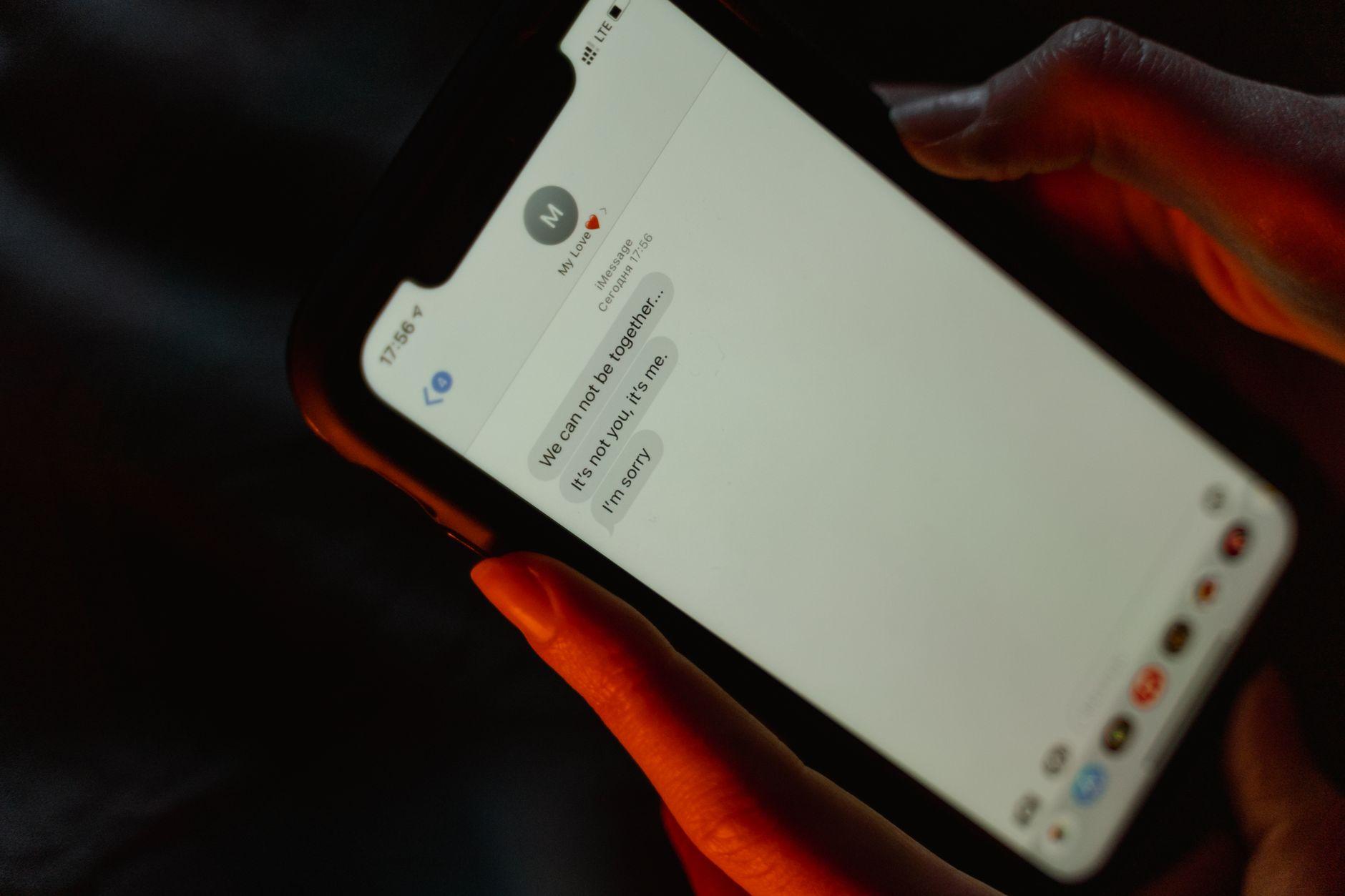
High-Precision Smishing
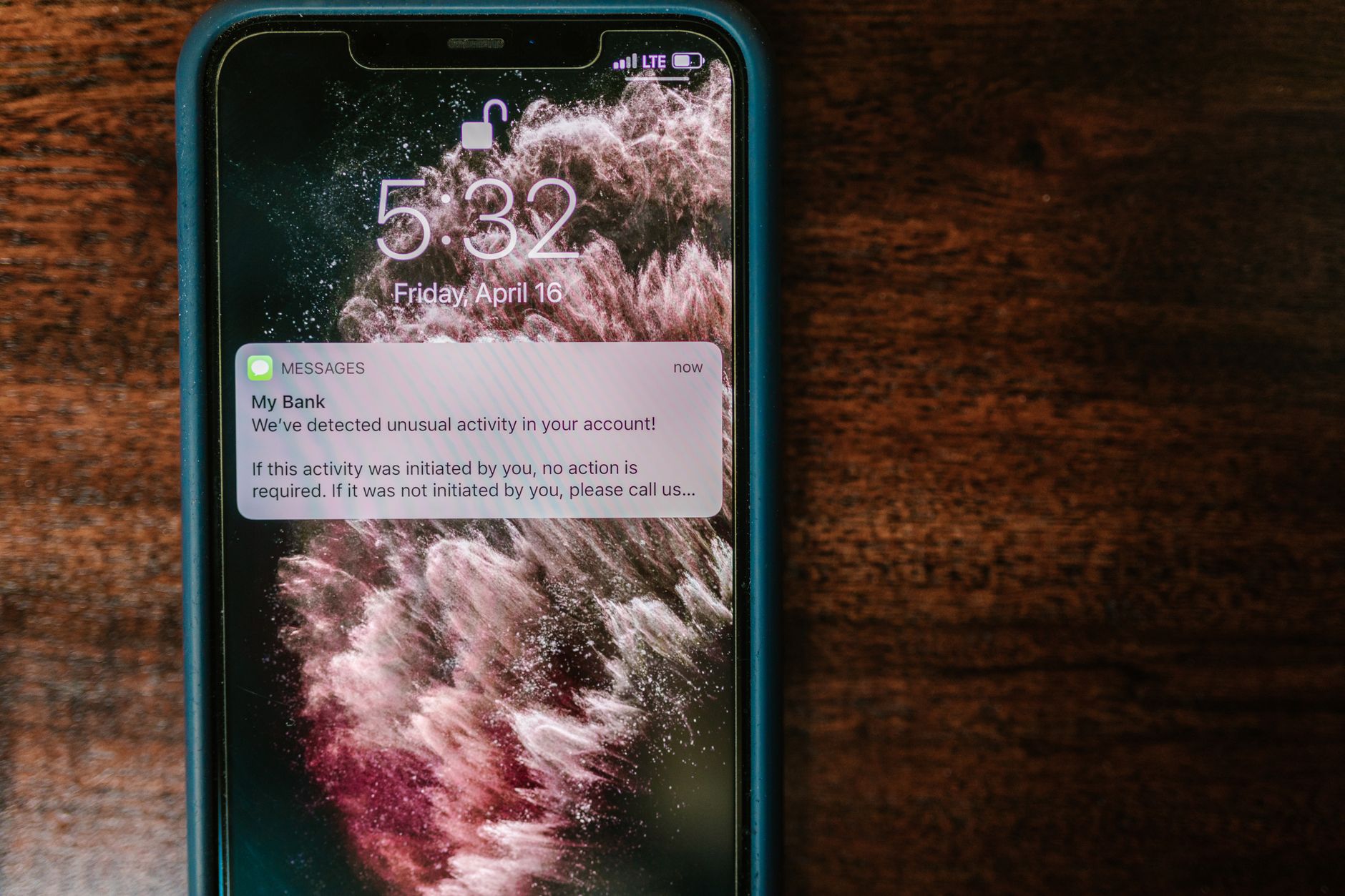
When a fraudster knows you recently bought an item on a specific platform, they can send an SMS that perfectly mimics that platform's customer service. The click-through rate is then much higher than for a generic message.
How to Protect Your Phone Number in 2026?
It is impossible to completely erase your digital footprint, but you can drastically reduce your exposure surface.
1. Adopt a "Buffer Number" Strategy
Stop giving your primary number for everything. Use alternative solutions:
- Virtual Numbers: For registrations on sites where you are unsure of the reliability.
- Temporary SMS Services: To receive a validation code without exposing your personal line.
- Communication Aliases: Some apps allow you to create number masks.
2. Lock Your Operator Accounts
Contact your mobile operator to request the addition of a password or enhanced security for any SIM card change request. This makes SIM Swapping much more difficult.
3. Clean Up Your Public Presence
- Social Networks: Set your profiles to "private" and remove your phone number from publicly visible information.
- Right to Erasure: Under GDPR, you can ask data brokers or directories to delete your personal information.
4. Active Vigilance Regarding Links
As reminded by Assurance Maladie (Ameli), no official organization will ask for your bank details or secret codes via SMS. If you receive a suspicious message:
- Never click on the link.
- Do not reply (even to say "stop"), as this confirms that your line is active and valid.
- Block the number and report the message to 33700 (the official platform for reporting unwanted SMS in France).
Conclusion: Toward Mobile Digital Hygiene
The phone number has become the weak link in our security. Because it is linked to both our physical and digital identity, it is a prime target for an organized crime industry. The free and simple nature of mobile communications has paradoxically created a major vulnerability.
The best defense remains mistrust. By treating your phone number as sensitive data—on par with a password or a credit card number—you considerably reduce the chances of a cybercriminal turning a simple SMS into a financial or personal disaster. Security does not only depend on the smart filters of Android or iOS, but above all on your ability to limit the distribution of your own information.