Introduction: The Invisible Vulnerability of Connected Generations
By 2026, the smartphone is no longer the exclusive domain of younger generations. For many seniors, it has become the primary tool for maintaining family ties, managing medical appointments, or checking bank accounts. However, this massive adoption of digital technology has been accompanied by a rise in cyber threats. Fraudsters, experts in psychology, have shifted their focus toward a particularly lucrative target: the elderly.
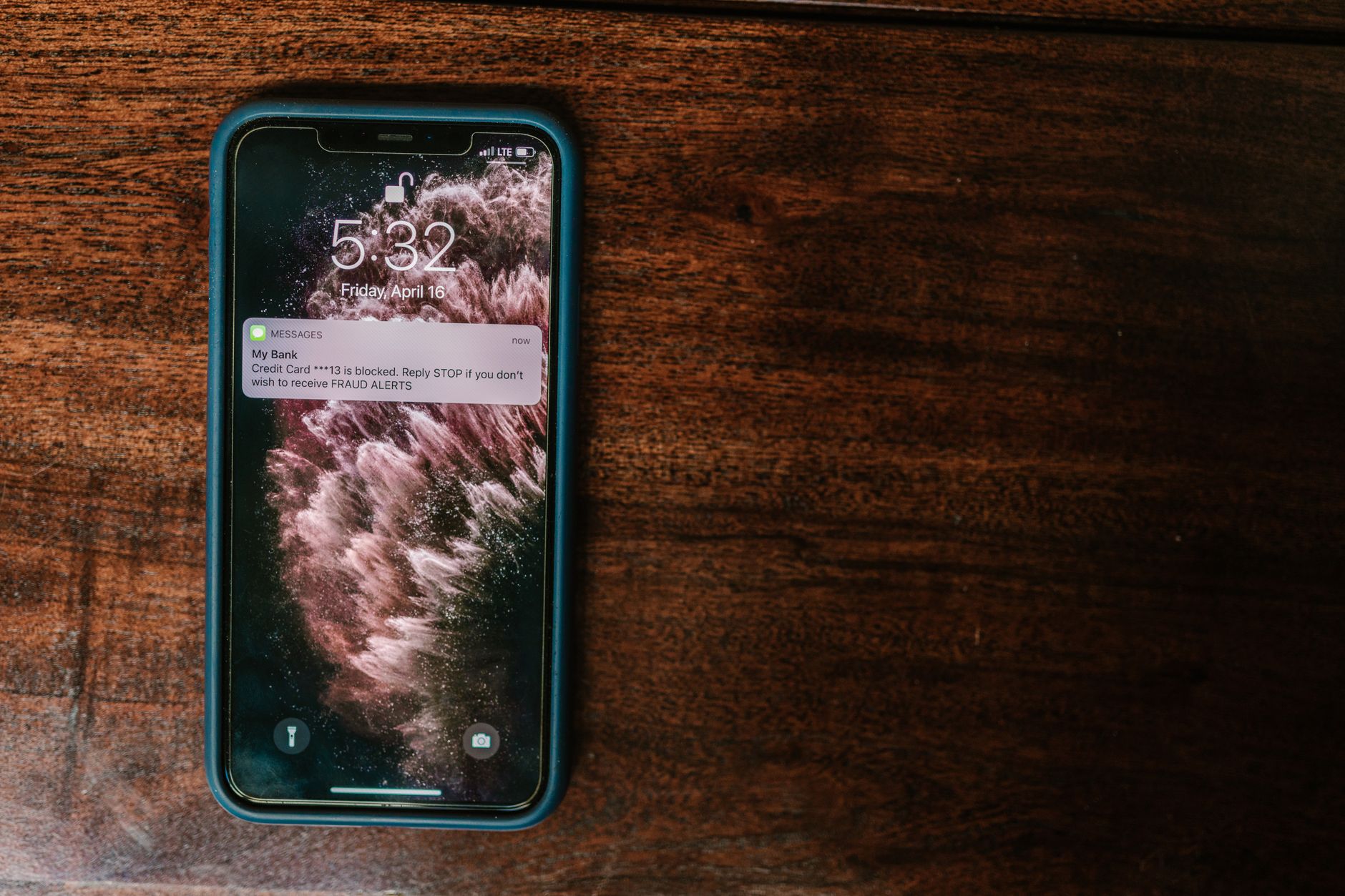
Unlike the clumsy, mass attacks of the past, modern smishing (SMS phishing) uses emotional and technical manipulation techniques with surgical precision. The goal is no longer just to steal a password, but to create a climate of panic or urgency to bypass critical judgment. Between the impersonation of official agencies and the hijacking of payment services, the risk is omnipresent.

New Fraud Tactics in 2026
To effectively protect a loved one, you must first understand how attackers operate. In 2026, we observe three major trends in the targeting of seniors.
Impersonation of Social Agencies (Institutional Spoofing)
This is one of the most formidable threats. Recent waves of attacks have targeted retirees by imitating agencies such as Agirc-Arrco or CNAV. The technical peculiarity here is spoofing: the message does not arrive from an unknown number, but inserts itself directly into the official conversation thread of the pension fund or displays the exact name of the institution.
The message usually warns of a "payment issue" or a "mandatory file update." The victim, seeing the official name, clicks the link and arrives at a perfect copy of the government site to enter their bank details.
The Transport and Delivery Service Trap
SNCF and other transport services have alerted users to massive campaigns imitating SNCF Connect. The scenario is classic: a fake refund or a ticket modification. For seniors traveling to visit their grandchildren, urgency is a powerful lever. Similarly, fake parcel delivery alerts (often linked to services like Wero or other fast payment systems) are omnipresent.
The "Fake Grandchild" Scam
Although older, this scam has evolved. The hacker sends an SMS: "Hi Dad/Mom, I broke my phone, this is my new number. I have an urgent problem, can you help me?". Once trust is established, the fraudster requests a quick wire transfer or the purchase of coupons. To limit the risk of breakage while learning digital tools, installing tempered glass on the screen can be a first step in hardware protection, but mental vigilance is what matters most here.
How to Secure a Senior's Smartphone?
Technical protection is essential, but it must be invisible so as not to create frustration or a feeling of digital exclusion.
Cleaning Permissions and Applications
Many applications installed by mistake or via misleading advertisements can collect data in the background. Do a cleanup:
- Remove unused applications.
- Disable notifications from suspicious websites in the browser.
- Install an effective anti-spam filter. Solutions like Riot are becoming established for detecting trapped SMS before they even reach the inbox.
Hardware Reinforcement
For people who struggle with manipulation, using a smartphone with an adapted screen or even a senior mobile phone with large buttons can reduce usage stress. The less a user feels "clumsy" with the tool, the less likely they are to instinctively click a link by mistake. For those keeping a standard smartphone, a robust case prevents hardware accidents that could push the user toward unscrupulous and potentially malicious third-party repair services.
Support: Creating a "Verification Reflex"
Technology cannot do everything. The best defense remains education. The goal is not to make the senior paranoid, but to give them tools for discernment.
The Golden Rule: The Alternative Channel
Teach your loved ones a simple rule: if an SMS requests urgent action or confidential information, never click the link.
Use an alternative channel:
- Call the official bank number (the one on the back of the card).
- Manually log in to the official site via a browser (without going through the SMS).
- Call the grandchild on their old number to verify their identity.
Non-judgmental Dialogue
This is the most critical point. Many seniors hide the fact that they have been victims of a scam due to shame or fear that their phone will be taken away. It is essential to tell them: "Hackers are professionals at manipulation; even experts can be fooled. If you have any doubt, call me—I will never judge you".
What to do in Case of a Confirmed Scam?
If the trap has closed, speed of action is decisive in limiting the damage.
| Action | Why? | Contact / Tool |
|---|---|---|
| Bank Stop Payment | Block fraudulent withdrawals | Your bank immediately |
| Password Change | Prevent account access | Password manager |
| Official Report | Help authorities block numbers | PHAROS platform or 33700 |
| Security Scan | Check if malware was installed | Recognized mobile antivirus |
For those who wish to deepen their knowledge of digital security without being overwhelmed by technicality, reading a guidebook on cybersecurity for beginners can be an excellent way to learn at their own pace.

Conclusion: Toward Digital Solidarity
The fight against smishing and mobile scams will not be won by detection algorithms alone, but through the transmission of knowledge. In 2026, protecting seniors in the digital space is an act of family solidarity. By taking a few minutes to configure their devices and establishing a climate of trust, we can transform their smartphone from a source of anxiety into a true tool for fulfillment.
Stay vigilant, encourage your loved ones to doubt artificial urgencies, and remember that in the digital world, caution is the only truly indispensable update.