Introduction: The Era of Sophisticated Smishing
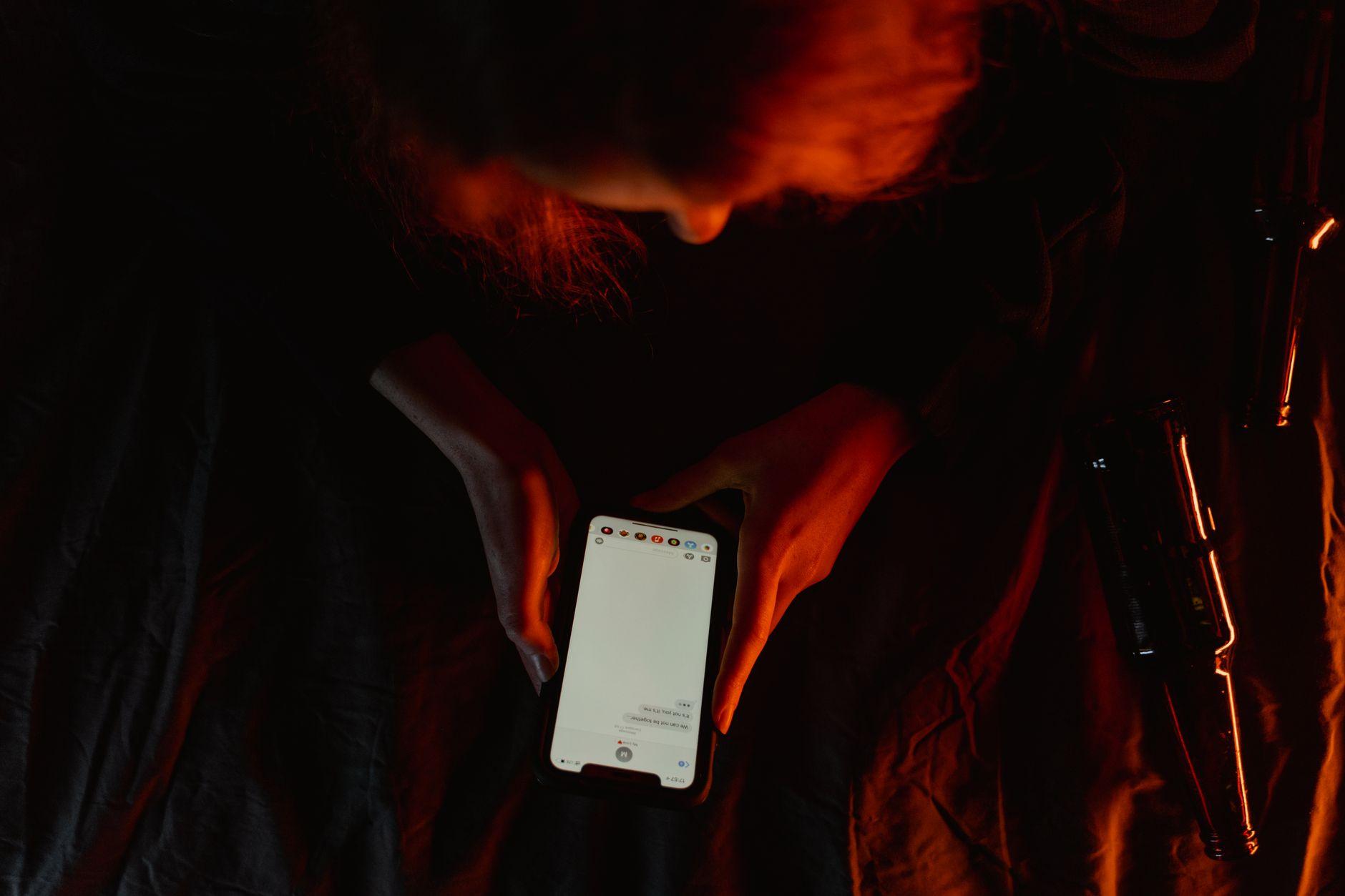
In 2026, the smartphone has become the preferred entry point for cybercriminals. While email phishing was the standard for a long time, we are seeing a surge in "Smishing" (a portmanteau of SMS and phishing). This technique, which involves sending fraudulent text messages to steal personal information or install malware, has mutated. Gone are the days of glaring spelling mistakes and unrealistic promises of winnings; today's scams rely on urgency, fear, and the perfect imitation of official institutions.
From fake fine notifications to urgent alerts about a bank account, smishing exploits the instinctive trust we still place in the SMS channel, perceived as more intimate and secure than email. With the emergence of new tactics, such as "Are you at home?" messages aimed at establishing psychological contact before launching the scam, it is crucial to understand the mechanisms of these attacks to protect yourself.

Anatomy of a Smishing Attack in 2026
Smishing does not rely on a technical flaw in the mobile network, but on a human flaw: social engineering. The goal is to push the victim to take quick action without thinking.
The Classic Mechanism: The Bait and the Link
Most attacks follow a linear pattern:
- The Bait: A message creates a sense of urgency (e.g., "Your package is blocked," "Suspicious activity on your account").
- The Action: The message prompts the user to click on a shortened link (bit.ly, t.co, or domains mimicking official ones).
- The Capture: The link leads to a mirror page (a perfect copy of a bank site, postal service, or public agency) where the user enters their credentials or banking details.
New Trends: "Warm-up" and Emotional Phishing
More insidious tactics have recently been observed. Rather than sending a link immediately, some fraudsters use "contact" messages to verify if the number is active and if the person is receptive. Phrases like "Hello, is this you?" or "Are you at home?" serve as a probe. Once the victim responds, the fraudster engages in conversation to build trust before pivoting to a request for money or data theft.
How to Identify a Fraudulent SMS?
Although fraudsters are perfecting their methods, certain clues almost always betray the malicious nature of a message.
1. Unjustified Urgency
An official organization (Tax authorities, Health Insurance, Bank) will never ask you to resolve an urgent problem via an SMS link by threatening immediate account closure or a heavy fine within 24 hours. Urgency is smishing's primary weapon to bypass your critical thinking.
2. The Suspicious Link
Look closely at the URL. An official site usually ends in .gov or has a clear, verified domain name. Beware of strange domains (e.g., tax-service-security-2026.com instead of irs.gov) or link shorteners that hide the actual destination.
3. Requests for Sensitive Information
This is the golden rule: no bank or public service will ever ask for your secret code, password, or credit card numbers via SMS. If you are asked to "update your information" via an online form following an SMS, it is a theft attempt.

Legal Framework and the Fight Against Fraud
France and the European Union have considerably strengthened their legal arsenal to fight these practices. Smishing is not just a nuisance; it is a criminal offense.
Penalties
Identity theft and fraud are severely punished under the Penal Code. The use of anonymous SMS sending services to conduct smishing campaigns can be qualified as computer fraud and breach of trust, leading to prison sentences and fines amounting to tens of thousands of euros.
New Display Rules
To counter abusive solicitation and scams, number display rules are evolving. Authorities are pushing for increased sender transparency. However, the Sender ID Spoofing technique (impersonating the sender's name) still allows some fraudsters to make "HEALTH-INFO" or "MY-BANK" appear instead of a number, deceiving user vigilance.
Survival Guide: What to do in Case of Doubt or Attack?
If you receive a suspicious message or think you have been a victim of smishing, follow these steps scrupulously.
Immediate Reaction (Prevention)
- Do not click on any links and do not call back the number provided.
- Never reply, even to say you are not interested. Replying confirms that your line is active, which will increase the number of spams you receive.
- Block the number via your smartphone settings.
Corrective Action (If you clicked)
If you entered your information on a fraudulent site:
- Immediate Opposition: Contact your bank to block your cards and online access.
- Change Passwords: If you used the same password elsewhere, change it immediately on all your accounts.
- Antivirus Scan: If you downloaded a file, run a full scan of your device to detect any potential spyware.
Official Reporting
It is crucial to report these messages to help authorities identify the gateways used by fraudsters:
- 33700: The official service for reporting unsolicited SMS in France. Send the text of the message and the sender's number to 33700.
- Cybermalveillance.gouv.fr: The national platform to obtain personalized assistance and report an incident.
- Pharos: The official portal for reporting illegal content on the internet.
Comparison Table: Legitimate SMS vs. Smishing SMS
| Feature | Legitimate SMS (Bank/State) | Smishing SMS (Fraud) |
|---|---|---|
| Tone | Neutral, informative | Urgent, alarmist, threatening |
| Link | To an official domain (.gov) | Shortened link or complex domain |
| Request | Invitation to log in via the App | Direct request for codes/Credit Card |
| Sender | Known name or official short code | Unknown number or spoofed name |
| Expected Action | Consulting a client area | Immediate data entry |
Conclusion: Vigilance as the Only Armor
Smishing in 2026 demonstrates that technology, while protective, cannot replace human judgment. Operator anti-spam filters and security updates for operating systems (iOS, Android) do considerable work, but the "last mile" of security remains your finger on the screen.
The anonymity of SMS sending services, while potentially useful for occasional privacy needs, is unfortunately hijacked by criminal networks. By remaining critical of any unsolicited message and using reporting channels like 33700, we collectively contribute to making the mobile network less attractive to cybercriminals. Remember: when in doubt, abstaining is the best protection.