Introduction: Digital Anonymity Put to the Test of Reality
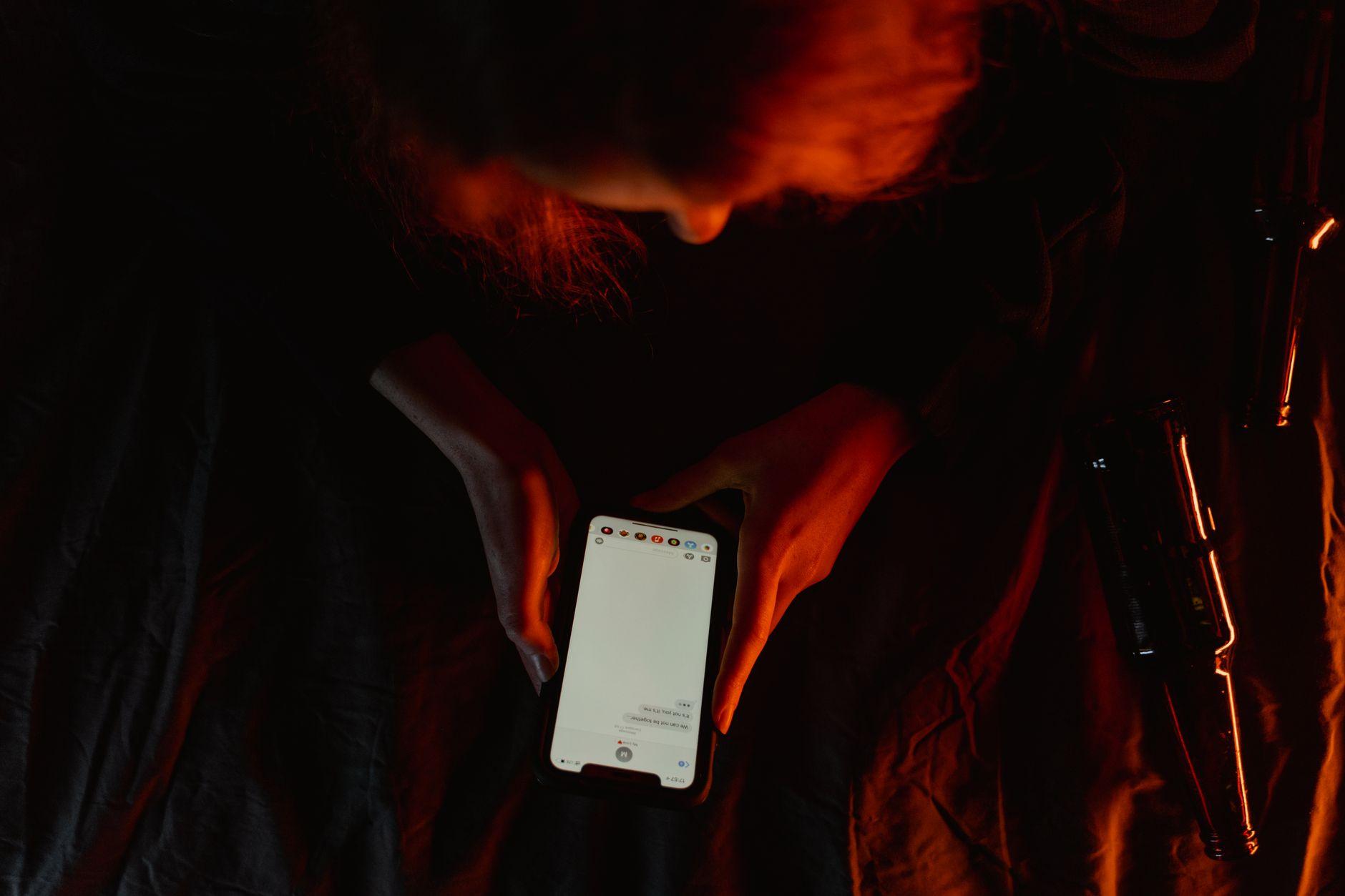
In 2026, mobile communication remains a pillar of our daily and professional lives. Yet, a recurring question continues to fuel debates and search engine queries: can one send an SMS in a truly anonymous way? While technology sometimes allows masking a sender number, the legal and security reality is much more complex. The enthusiasm for these services does not come without risks, both for the sender and the recipient.
Recently, several high-profile cases have highlighted the use of unidentified text messages in contexts of harassment, threats, or even bank fraud attempts. As technologies evolve, French legislation, framed by the CNIL and the Penal Code, is tightening to protect citizens. This article offers an in-depth analysis of the legal implications of sending anonymous SMS, the risks incurred, and the protection devices available for victims in 2026.

The Technical Reality: Anonymity or Pseudonymity?
It is crucial to distinguish the anonymity perceived by the user from the technical reality of telecom networks. When an individual uses a third-party service to send an SMS without displaying their personal number, it is often only identifier masking (Sender ID Spoofing). For the recipient, the message seems to come from a generic name or an unknown number, but for the operator and authorities, the trace exists.
Operator Logs and Data Retention
In France, mobile phone operators are subject to strict obligations regarding the retention of connection data (metadata). According to European directives transposed into national law, this data must be retained for a determined period for judicial investigation needs. Thus, even if a web service allows sending a message without a SIM card, the sender's IP address, time of sending, and message content are recorded.
Free services offering anonymous SMS sending are often funded by advertising or data resale. In 2026, vigilance is required: some of these platforms can be vectors for personal information collection. ANSES (National Agency for the Security of Information Systems) regularly recalls that the free nature of a digital service often hides a business model based on the exploitation of user data.
Limitations of Masking
The SMPP (Short Message Peer-to-Peer) protocol used by SMS gateways technically allows defining a customized "Sender Address" field. However, French operators are increasingly filtering these requests to combat spam and fraud (Smishing). A message from an unverified identifier may be blocked before even reaching the recipient, or be automatically classified in the "Junk" folders of modern smartphones.
Legal Framework in France: What the Law Says in 2026
Sending an anonymous SMS is not illegal in itself. There are legitimate use cases, such as security alerts, service notifications (banks, administrations), or simply privacy protection in specific contexts. However, the intention and content of the message determine the legality of the act.
Digital Harassment and the Penal Code
The use of anonymity to harm others is severely repressed. Article 222-16-1 of the Penal Code defines telephone and electronic harassment. Sending repeated messages having the object or effect of degrading the victim's living conditions is a misdemeanor. In 2026, penalties can go up to three years imprisonment and 45,000 euros fine, or more in case of aggravating circumstances (minor under 15, vulnerability of the victim).
It is important to note that qualifying harassment does not always require a multitude of messages. A single message containing death threats or violence is enough to trigger prosecution under other criminal qualifications (threats of crime or misdemeanor). Anonymity is not protection against the law; on the contrary, it can be retained as an aggravating circumstance demonstrating premeditation.

Identity Theft and Fraud
Another major legal risk concerns identity theft. If an anonymous SMS is sent pretending to be an official institution (bank, taxes, police), the sender exposes themselves to prosecution for fraud and digital identity theft. The law strengthens the protection of digital identities, and establishments like BoursoBank or Société Générale collaborate closely with justice to identify authors of SMS phishing attempts.
The CNIL insists that processing personal data via anonymous channels must respect the GDPR. Collecting responses to an anonymous SMS without informing the recipient of the identity of the data controller constitutes a violation of data protection rules.
The Threat of SMS Scams (Smishing)
SMS anonymity is the tool of choice for cybercriminals. In 2026, the sophistication of "Smishing" (SMS Phishing) attacks has increased. Messages no longer just ask for a callback; they include links to perfect clone sites or malicious attachments.
Typology of Fraudulent Messages
Users must remain vigilant against several types of suspicious messages:
- Fake deliveries: Notification of a package waiting requiring payment of customs fees.
- Bank alerts: Request to validate a suspicious transfer with a link to a fake bank portal.
- Job offers: Proposals of easy income via simple tasks, leading to advance fee fraud.
- Intriguing personal messages: "Is that really you in this photo?" followed by a malicious link.
According to cybersecurity reports, the open rate of SMS remains largely higher than that of emails, making it a privileged attack vector. The anonymity of the sender reinforces the curiosity or worry of the recipient, increasing the chances of attack success.
Consequences for Victims
Beyond financial loss, smishing victims can suffer complete identity theft. Recovered information (bank identifiers, secret codes) allows criminals to empty accounts or subscribe to credits in the victim's name. The reimbursement procedure by banks can be long and complex, especially if user negligence is retained (voluntary sharing of secret codes).
How to Protect Yourself and React to a Malicious Anonymous SMS?
If you receive a threatening, harassing, or suspicious anonymous SMS, there are established procedures to protect yourself and report abuse. Passivity is not recommended, as it can encourage harassment authors.
Immediate Security Steps
- Do not respond: Responding confirms that the number is active and can lead to an increase in spam.
- Do not click: No link should be opened without prior verification.
- Block the number: Most smartphones (iOS and Android) allow blocking unknown senders.
- Keep evidence: Take screenshots of messages, note dates and times. These elements will be crucial for any complaint.

Official Reporting Channels
In France, several devices allow reporting these abuses to competent authorities:
- The 3700.fr platform: Managed by Arcep, this site allows reporting unwanted SMS. The short number 3700 also allows transferring the suspicious message directly from your phone.
- Pharos (Internet Signalement): For illicit online content associated with SMS (links to fraudulent sites).
- 3018: Free number dedicated to victims of digital violence, particularly effective for minors and their parents.
- Filing a complaint: In case of serious threats or proven harassment, filing a complaint at the police station or gendarmerie is the indispensable step to initiate prosecution.
The Role of Operators and ISPs
Telephone operators have an obligation to cooperate with justice. Upon judicial requisition, they can lift the technical anonymity of a line or an SMS sending service. However, for services based abroad, steps can be more complex. That is why prevention and rapid reporting are essential.
Legitimate Use Cases and Ethics of Anonymity
It would be unfair to demonize entirely sending SMS without number display. Professionals use it for valid reasons.
When Anonymity is Justified
- Emergency alerts: Notifications from home security systems.
- Professional confidentiality: A lawyer or social worker may wish to contact a client without revealing their direct personal number.
- Surveys and studies: To guarantee neutrality and statistical secrecy.
In these cases, the sender must nevertheless be identifiable by authorities in case of deviation. The ethics of anonymity rests on responsibility: being anonymous does not mean being irresponsible.
Summary Table: Risks and Sanctions
| Message Type | Main Risk | Potential Sanction (Penal Code) | Victim Remedy |
|---|---|---|---|
| Repeated Harassment | Psychological distress | 3 years prison, 45k€ fine | Complaint, 3018 |
| Crime Threat | Fear for safety | 6 months to 3 years prison | Immediate complaint |
| Identity Theft | Financial loss | 1 year prison, 15k€ fine | Bank report |
| Advertising Spam | Simple nuisance | Administrative fines (CNIL) | 3700.fr |
Conclusion: Responsibility Before Anonymity
In this year 2026, technology offers powerful tools to communicate, but it does not subtract the individual from the law. Sending anonymous SMS remains a technically gray area, but a legally red zone as soon as it harms others. Digital traceability is more robust than it appears, and law enforcement has increased means to identify authors of abuse.
For users, the best protection remains vigilance. Never consider an SMS as totally reliable, even if it seems to come from a known source. For senders, it is crucial to remember that anonymity is not a shield against justice. Respecting others' privacy and using communication channels transparently remains the norm recommended by the CNIL and security organizations.
Digital communication must remain a tool for social and professional connection, not a weapon of nuisance. In case of doubt about the legitimacy of a message or the use of a sending service, it is always preferable to consult official resources like Service-Public.fr or contact competent authorities. Everyone's security passes through everyone's responsibility.