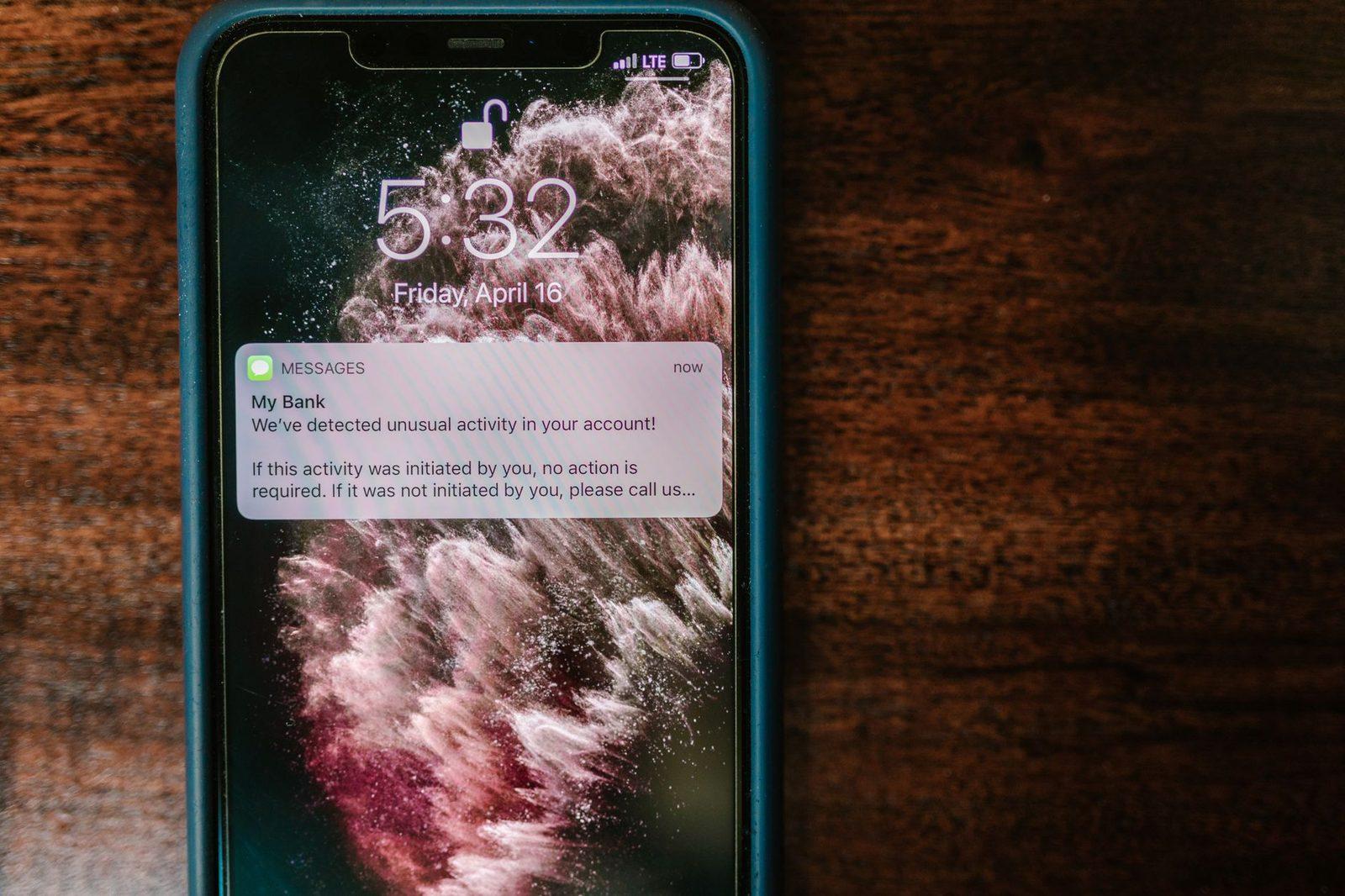
You have likely noticed that fraudulent SMS messages no longer arrive sporadically, but sometimes in massive, synchronized waves with disconcerting precision. This is not a coincidence, nor the work of an isolated hacker in their garage. It is the result of the industrialization of digital crime: SIM farms.
The idea is simple yet formidable. Rather than using a single number that would be quickly blocked and reported, cybercriminals use hundreds, or even thousands, of physical SIM cards inserted into specialized modulators (called SMS gateways). These machines automate the sending of thousands of messages per minute, changing the sender every few seconds to bypass operators' anti-spam filters.
The Anatomy of a SIM Farm: How Does It Work?
To understand how to protect yourself, you must understand the tool. A SIM farm does not look like a traditional call center. It is a server rack housing hundreds of SIM cards, often acquired illegally or via strawmen in countries where subscriber identification regulations are lax.
The process generally follows this pattern:
- Database Acquisition: Fraudsters buy lists of phone numbers from data breaches on the dark web.
- Dynamic Routing: Software controls the SIM cards. If number A is blocked by a carrier, the software instantly switches to number B, then C.
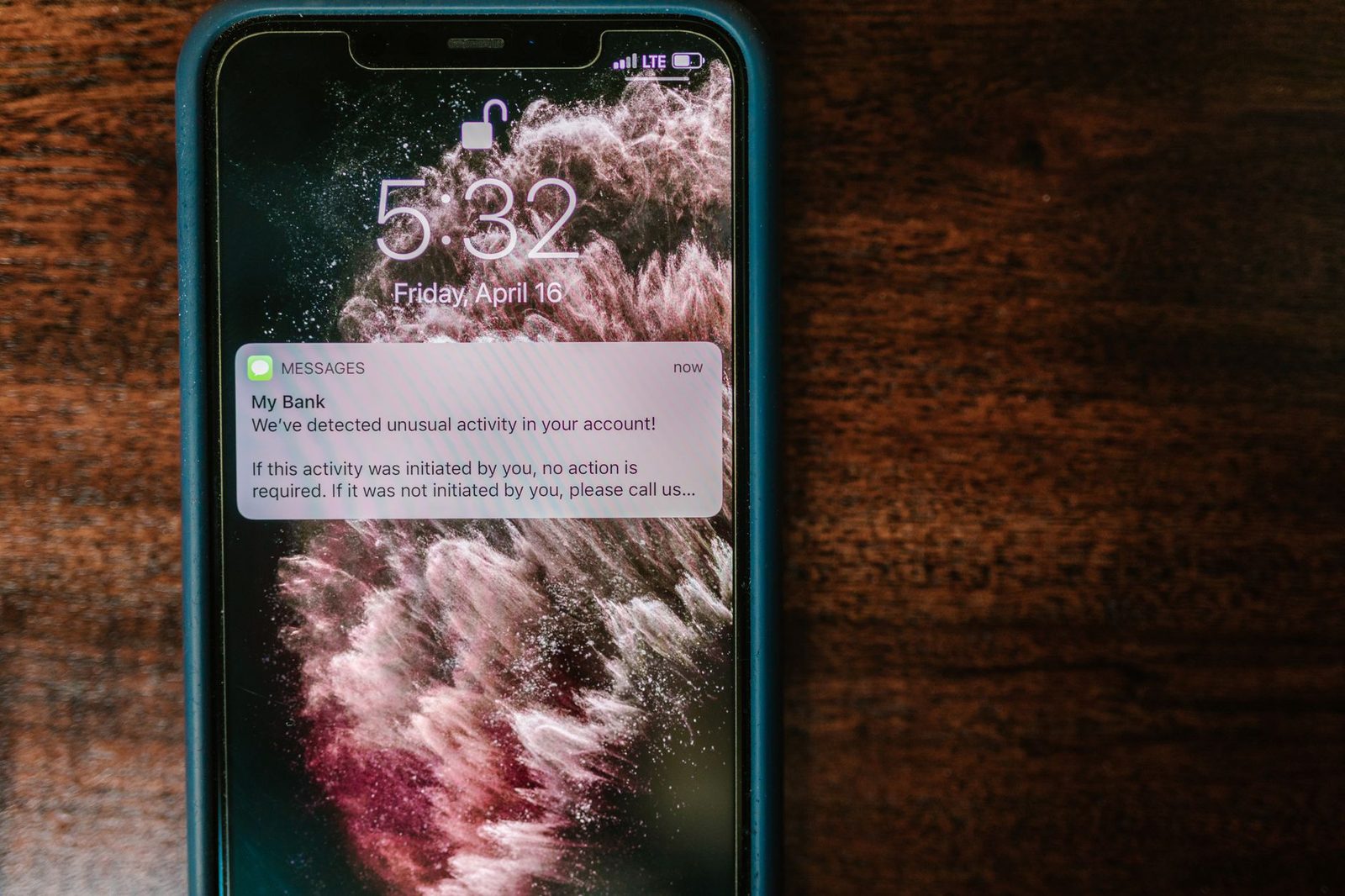
- Personalization (Smishing): The message is designed to create a sense of urgency (unpaid fine, blocked package, suspended bank account).
This is where the danger is highest. By using real SIM cards, fraudsters bypass filters that usually block SMS sent via internet protocols (SMPP). To your phone, the message appears to come from a standard mobile user, which drastically increases the open rate.
Why Do Classic Filters Fail?
One might think that operators can simply cut these lines. That is where the complexity lies. SIM farms use rapid rotation techniques. By the time a user reports a number, it has already sent 5,000 messages and has been discarded to be replaced by a new chip.
Furthermore, some networks use "spoofing" (identity theft), allowing them to display a sender name (such as "INFRASTRUCTURE" or "INSURANCE") instead of a number. While we have already covered spoofing, SIM farms represent the next level: they don't just lie about identity; they multiply entry points to saturate your notifications.
To limit the physical impact of these attacks on your hardware, using a robust protective case is always recommended to avoid accidental damage when handling your phone quickly under the stress of a false alert.
Defense Strategies: Beyond Simple Blocking
Faced with such infrastructure, blocking one number at a time is a losing battle. You must adopt a systemic approach to digital hygiene.
1. Intelligent Filtering and Third-Party Apps
Most Android and iOS smartphones now include AI-based anti-spam filters. Make sure they are enabled. On Android, the "Spam Protection" option analyzes mass sending patterns. If 10,000 people receive the same link in 2 minutes, the system can identify the wave even if the numbers change.
2. Permission Management
SIM farms don't just want you to click; they sometimes try to install malware. For those using older or basic devices, a tempered glass screen protector keeps the device clean and functional, but the real protection is software: never grant permission to install applications from "unknown sources."
3. The Golden Rule: The Official Channel
This is the simplest but most effective piece of advice. If you receive an SMS from a government agency or your bank asking for urgent action:
- Never click the link.
- Close the SMS.
- Open your official banking app or log in to the website via your browser by typing the address manually.
If the alert is real, it will be present in your secure client area. If it isn't, it was an attack from a SIM farm.
Comparison Table: Classic SMS vs. SIM Farm SMS
| Feature | Legitimate SMS | SIM Farm SMS |
|---|---|---|
| Sender | Known number or verified official name | Random mobile number or spoofed name |
| Content | Factual information, no critical urgency | Alarmist tone, threat of closure, financial gain |
| Link | Official domain (e.g., .gov, .bank.com) | Shortened link (bit.ly, t.co) or strange domain |
| Frequency | Occasional | Often arrives in waves (several similar messages) |
Impact on Privacy and Data
The existence of these SIM farms raises a major question: how did they get your number? As mentioned previously, data leaks are the primary source. But be aware that some fraudsters also use "wardialing" scripts: they generate random combinations of numbers and send mass messages. If you respond (even to insult the fraudster), you confirm that your line is active. Your number is then marked as "valid" and resold at a higher price to other SIM farms.
For those managing multiple devices, investing in a quality fast charger ensures all communication tools remain operational, as a phone turned off due to lack of battery is a phone that cannot be secured remotely in case of data theft.
Conclusion: Staying Vigilant in an Automated World
The smishing industry will not stop because it is profitable and automated. SIM farms are the factories of this digital pollution. However, the weakest link remains the human. By understanding that the message you receive is not a personal communication, but the product of an algorithm running on a rack of SIM cards on the other side of the world, you defuse the stress and urgency that fraudsters try to instill.
Education remains the best protection. For less tech-savvy users, such as seniors, installing a simple mobile phone with large buttons can reduce exposure to complex interfaces and trapped links, while maintaining essential social connections.
Finally, remember that reporting these messages, while sometimes perceived as insufficient, remains the only way for operators to map these farms and work on more global blocks at the international gateway level. If you own a recent smartphone, also remember to periodically check your battery health to ensure your security updates install correctly, as patches against the vulnerabilities exploited by smishing-bots are often deployed overnight during charging.