Social Engineering: When Psychology Replaces Code to Hack Your Mobile
In 2026, we have reached a technological paradox. Our smartphones are better protected than ever: encryption is ubiquitous, security updates are automatic, and operating systems (iOS and Android) have patched the majority of critical technical flaws. Yet, cyberattacks are not decreasing; they are mutating. Hackers have realized that the weakest link in the security chain is not the processor or the operating system, but the human being holding the device.
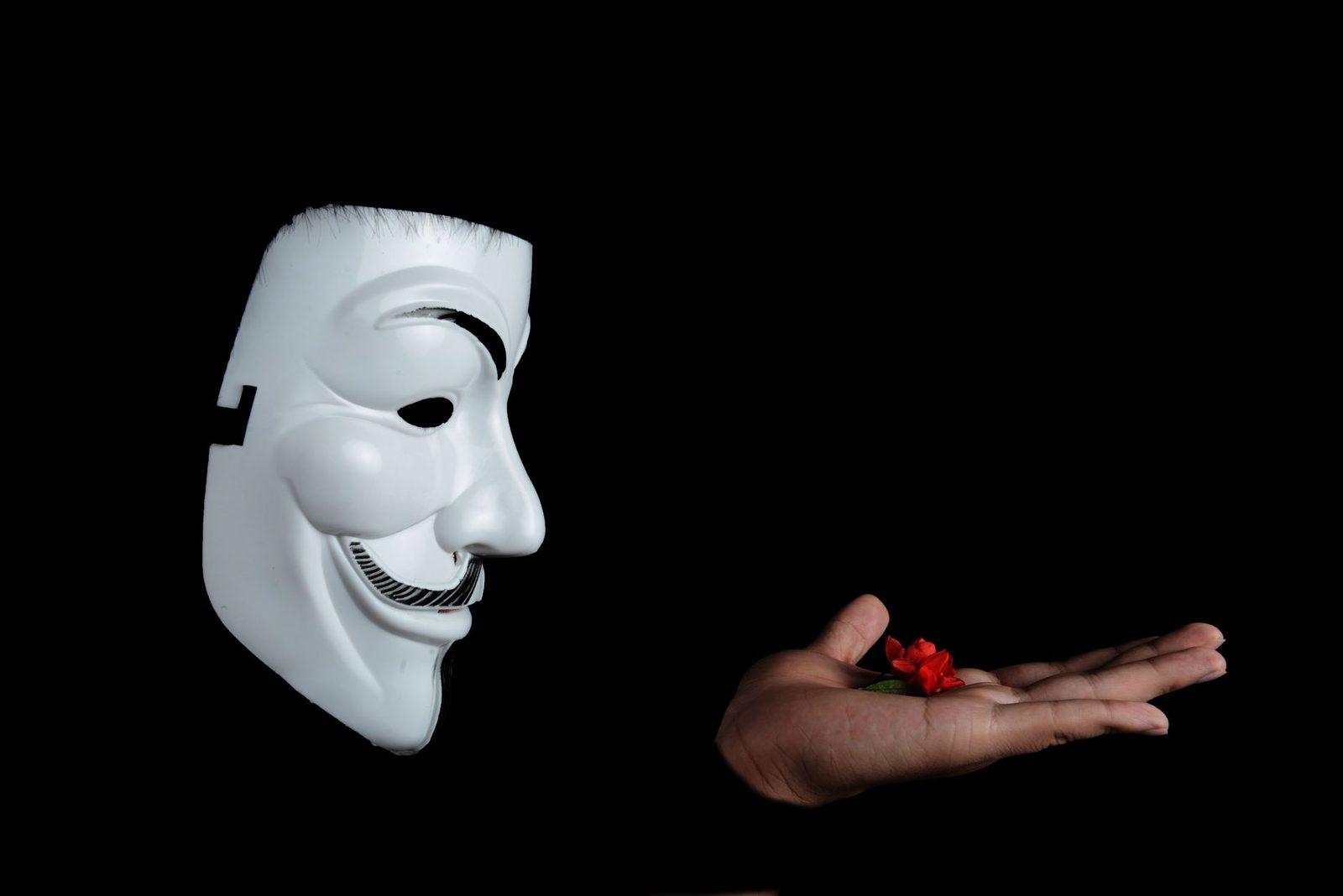
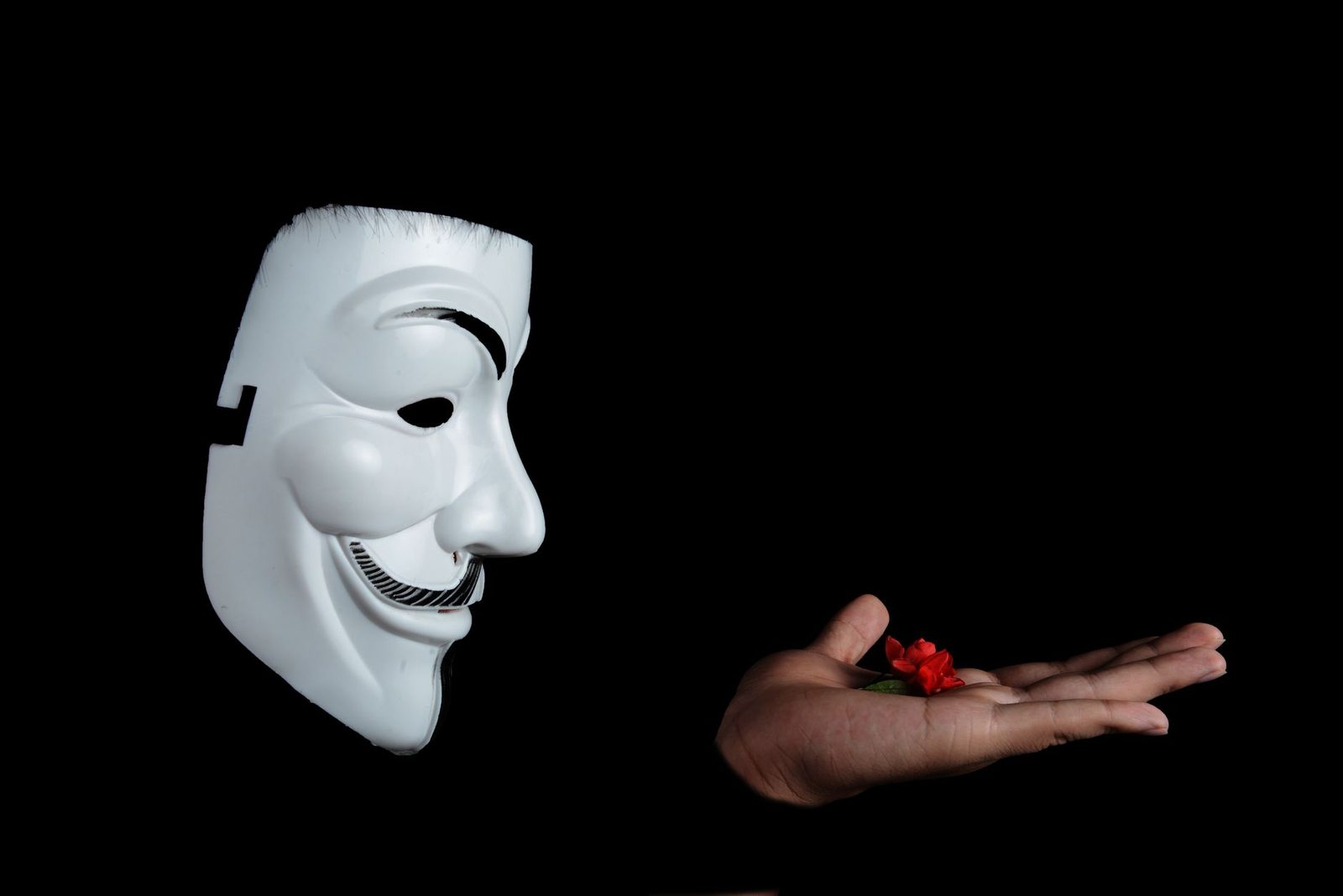
This is what we call social engineering. Rather than attempting to "crack" a complex password or find a vulnerability in the system kernel, the cybercriminal uses psychology to nudge you into opening the door yourself. As several recent reports highlight, attackers are now exploiting psychology more than technique. The goal is simple: create an emotional state (urgency, fear, curiosity, or desire) that short-circuits your critical thinking.
The Psychological Levers of Manipulation
Social engineering does not rely on chance, but on very specific cognitive mechanisms. To succeed, hackers use "triggers" that push us to act without thinking.
Urgency and Fear
This is the most common lever. You are told that your bank account has been compromised, that you have an unpaid fine, or that your health data (echoing massive leaks sometimes affecting millions of patients) is for sale on the dark web. Under the effect of stress, the brain switches to "survival" mode, which reduces analytical capacity. You click the fraudulent link simply to "fix the problem" quickly.
Authority and Trust
The hacker impersonates an official entity: the Ministry of Finance, your mobile operator, or even a hierarchical superior. By using a formal tone and institutional visual cues, the attacker relies on our natural tendency to obey authority figures. To physically protect your device against domestic accidents, using a robust tempered glass protector is recommended, but no physical protection can block a message that seems to come from your bank.
Curiosity and Bait
The bait can be financial (an unexpected win) or social (a compromising photo or exclusive information). Scams linked to major events, as seen during the 2026 World Cup, exploit precisely this lever: promises of last-minute tickets or VIP access that actually hide phishing forms to steal your credit card details.
New Forms of Attacks in 2026
Social engineering has modernized. It is no longer limited to a simple poorly written email, but is integrated into our mobile daily lives in an almost invisible way.
Hybrid Vishing and Smishing
Smishing (SMS phishing) is evolving into hybrid attacks. You receive an SMS alerting you to a problem, followed a few minutes later by a phone call (Vishing) from someone presenting themselves as a technical advisor. This double approach reinforces the credibility of the scam. For those managing multiple devices, using a high-capacity external battery allows you to stay reachable, but beware: staying permanently connected also increases your exposure to these malicious solicitations.
Fake Base Stations (IMSI-Catchers)
A more technical threat but based on network manipulation: fake base stations. As recently observed in Canada, these devices intercept mobile traffic by pretending to be an operator tower. The user sees nothing abnormal, but the hacker can send mass SMS directly to the phone, bypassing the operators' standard anti-spam filters.

How to Protect Yourself: The Mental "Firewall"
Since the flaw is human, the solution is behavioral. Technology can help, but vigilance is your best defense.
The 10-Second Rule
When faced with any message provoking a strong emotion (fear, excitement), impose a 10-second delay. Ask yourself three questions:
- Was I expecting this message?
- Is the communication channel usual for this service?
- Am I being asked to act quickly or provide sensitive information?
Out-of-Band Verification
Never respond directly to a suspicious message. If you receive an alert from your bank, close the SMS, do not click any links, and log in manually via the official app or call the official number found on your contract. To facilitate this management, using an ergonomic protective case allows for comfortable handling of the phone while staying focused on security actions.
Rigorous Digital Hygiene
Social engineering succeeds best when it has information about you. The less personal data you expose on social networks (date of birth, dog's name, vacation spot), the less hackers can personalize their attacks. For those wishing to introduce themselves to these concepts, reading a cybersecurity book for beginners is an excellent way to understand common manipulation patterns.
Summary Table: Technical vs. Psychological
| Attack Type | Technical Method | Psychological Method (Social Engineering) |
|---|---|---|
| Account Access | Brute force (testing thousands of passwords) | Phishing (asking for your password via a fake site) |
| Malware Installation | Exploiting a software flaw (Zero-day) | Encouraging the download of an "urgent update" via an SMS link |
| Data Theft | Intrusion into a company's database | Manipulating an employee to gain access (Pretexting) |
| Interception | Hacking a public Wi-Fi router | Creating a fake Wi-Fi access point named "Free_Airport_WiFi" |
Conclusion: Toward Active Vigilance
Social engineering reminds us that absolute security does not exist, as it depends on our own discernment. In 2026, being "secure" no longer means just having the latest antivirus or the most complex password, but possessing a sharp critical mind when faced with digital solicitations.
The shift from purely technical security to behavioral security is essential. By understanding that the hacker is not trying to force your lock, but to convince you to give them the key, you regain control of your digital life. Stay skeptical, verify your sources, and never let urgency dictate your actions on your smartphone.