Introduction: The End of the "Single Password" Era
For years, we all used the same strategy: a single, easy-to-remember password, slightly modified for each service. It was convenient, certainly, but above all, it was an open door for cybercriminals. In 2026, with the industrialization of brute-force attacks and the proliferation of massive data breaches—such as those that recently affected millions of Health Ministry patients or mobile operator customers—this habit has become a major risk.
The modern paradox is this: we have more accounts than ever (banking, taxes, social media, health, e-commerce), but our cognitive ability to memorize complex and random character strings remains limited. The result? Systemic vulnerability. If just one of your accounts is compromised in a leak, your entire digital life collapses in a domino effect.
Why Your Passwords Are No Longer Enough in 2026
Mobile security has evolved, but attack methods have progressed even faster. Today, hackers no longer just try to "guess" your password; they use far more sophisticated techniques.
Credential Stuffing: The Domino Effect
Credential stuffing involves using lists of email/password pairs stolen during a data breach (for example, from an operator or an e-commerce site) to attempt to log into other services. Since the majority of users recycle their passwords, a hacker who accesses your delivery account can suddenly access your email or your online banking portal.
AI and Ultra-Fast Cracking
The emergence of AI-based tools now allows for the generation of password variations based on your public data (date of birth, dog's name, city) in a matter of milliseconds. A password like "Mimi2015!" no longer protects anything. To prevent physical damage during nervous handling or a drop, using a robust protective case is recommended, but software protection is even more crucial.
Modern Solutions: Toward a Passwordless World
Given this reality, the trend in 2026 is the gradual disappearance of the traditional password in favor of more robust methods that are less dependent on human memory.
Passkeys: The Biometric Revolution
Passkeys are replacing passwords. Based on asymmetric cryptography, they use your smartphone's lock (fingerprint, facial recognition) to prove your identity.
The advantage is twofold:
- Nothing left to memorize: Your device holds the private key.
- Immunity to phishing: Unlike a password, a passkey cannot be given to a hacker via a fake SMS or a fraudulent site because it is linked to the service's official domain.
The Password Manager: The Digital Vault
For services that do not yet accept passkeys, a password manager is indispensable. Whether integrated into the system (iOS/Android) or third-party, this tool generates complex keys (e.g., zP9!kL2#mX8vQ) and fills them automatically.
For those who use their phone heavily, a quality tempered glass protector prevents screen cracks during the intensive use of these security apps. The key is to have only one extremely strong "master password," which protects access to all others.
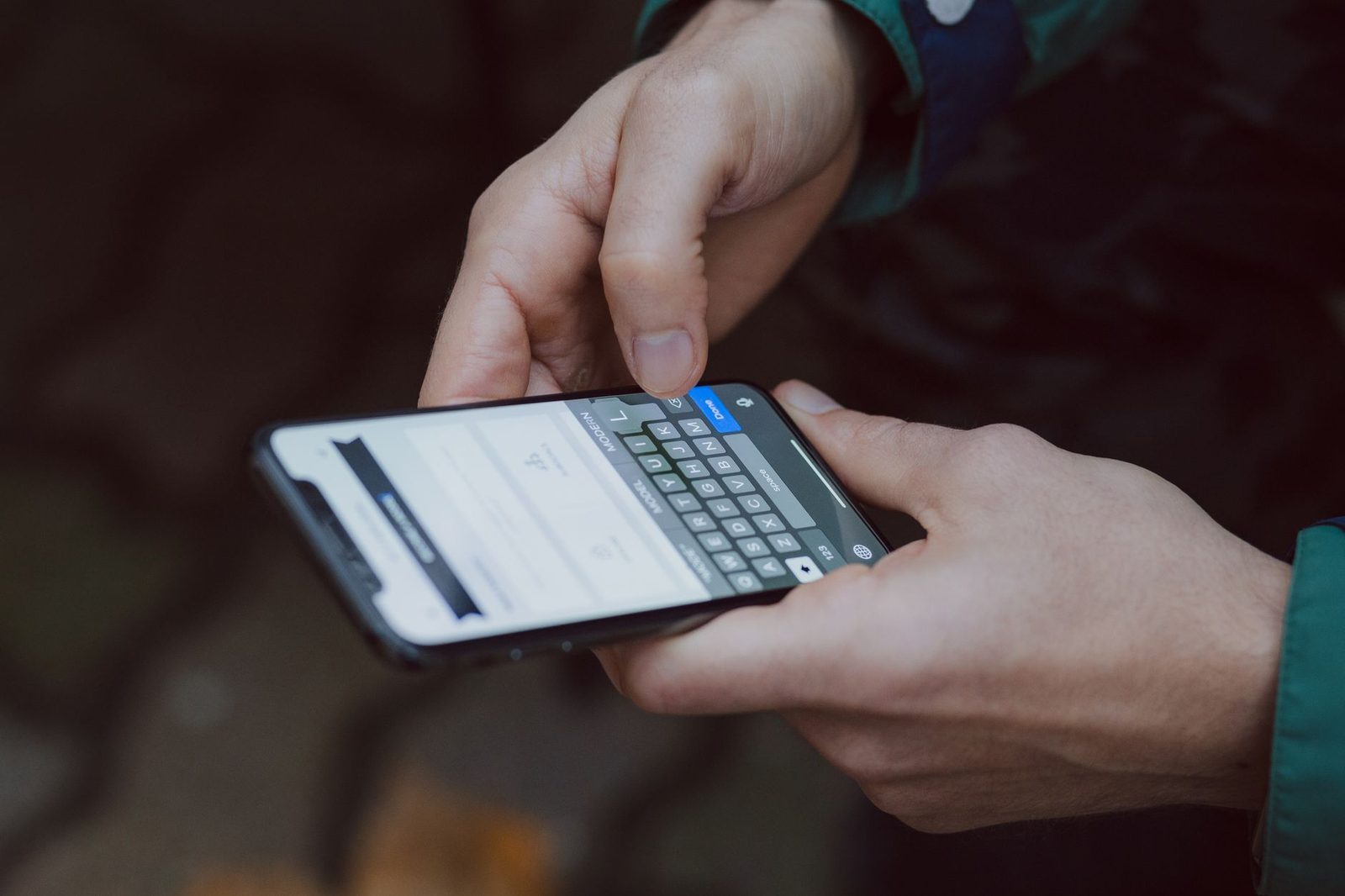
Practical Guide: Securing Your Access in 5 Steps
If you realize your digital hygiene is insufficient, here is the step-by-step process to regain control of your data today.
1. Inventory and Clean Up
Start by identifying your most sensitive accounts (Email, Banking, Government, Health). If you use the same password for several of them, change them immediately. To make typing easier on some devices, an ergonomic external keyboard can be useful during the initial configuration phase of your new long passwords.
2. Adopt a Password Manager
Stop storing your codes in your phone's contacts or in a paper notebook. Use an encrypted service. If you are concerned about your device's battery during frequent synchronizations, consider investing in a high-capacity external battery so you are never cut off from your backup codes.
3. Enable Non-SMS Two-Factor Authentication (2FA)
As we have seen in other articles, SMS is vulnerable to SIM swapping. Prioritize authentication apps (Google Authenticator, Microsoft Authenticator) or, even better, physical USB-C/NFC security keys.
4. Migrate to Passkeys
Whenever a site offers to "Create an access key" or use a Passkey, accept it. This is the safest way to neutralize the risk of credential theft.
5. Check for Data Leaks
Use services like Have I Been Pwned or the built-in security alerts in Android and iOS to find out if your credentials are circulating on the dark web. If they are, the password change must be instantaneous.
Comparison Table: 2026 Access Methods
| Method | Security | Ease of Use | Main Risk |
|---|---|---|---|
| Simple Password | Very Low | High | Phishing, Brute force |
| Complex Password | Medium | Low (forgetting) | Database leak |
| Password Manager | High | High | Loss of master password |
| SMS 2FA | Medium | High | SIM Swapping |
| Passkeys / Biometrics | Very High | Very High | Physical theft of device |
The Importance of Backup and Recovery
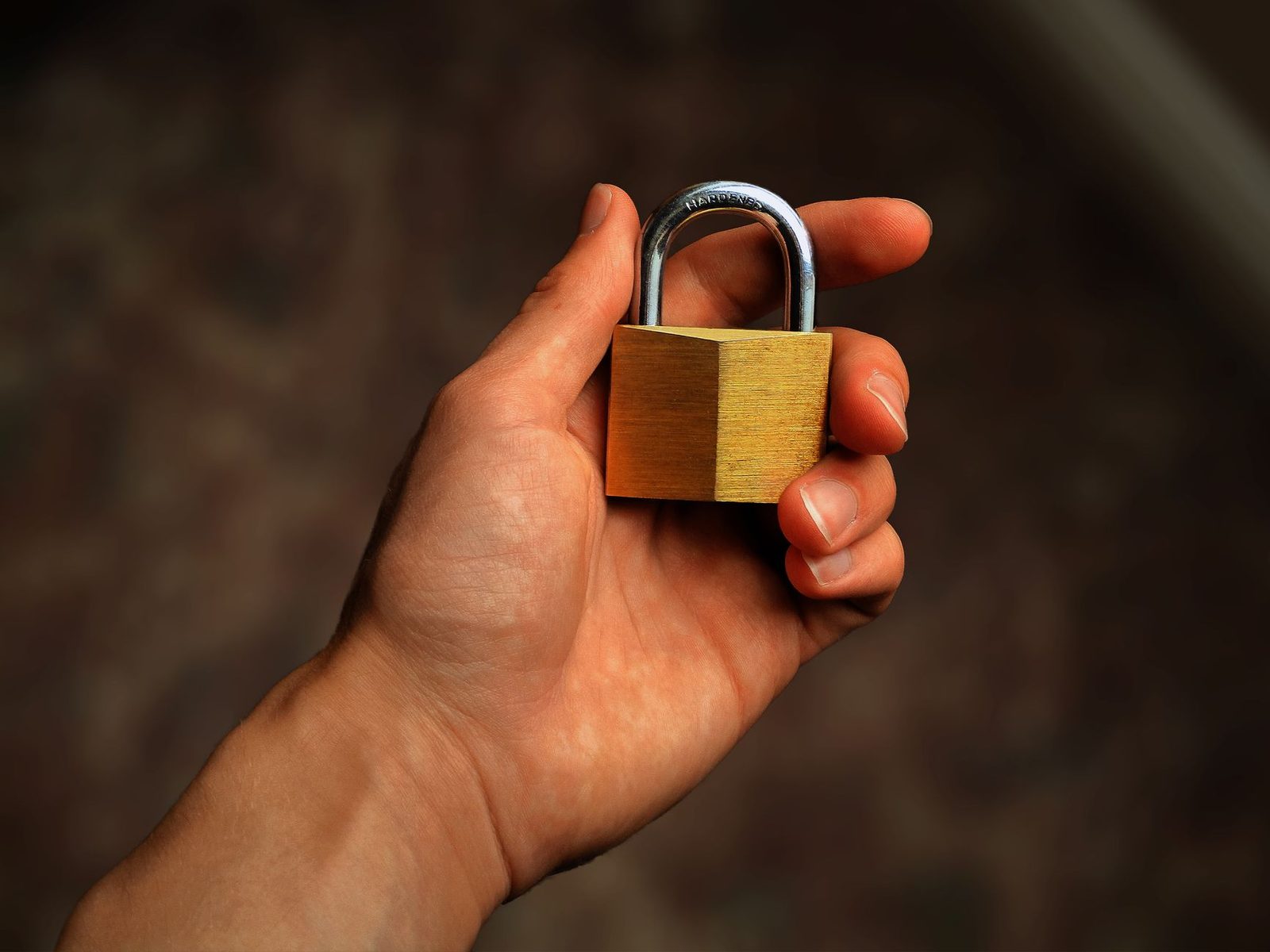
The greatest risk associated with using advanced security systems is lockout: what happens if you lose your phone or if your password manager is locked?
It is imperative to set up recovery codes. These are lists of one-time codes provided when enabling enhanced security. The recommendation from cybersecurity experts (such as ANSSI in France) is to print them and keep them in a secure physical location (safe or locked file).
For those who prefer a more traditional approach for their backup notes, a small secure notebook remains a viable option, provided it is never carried with the smartphone.
Conclusion: Security is a Process, Not a Product
In 2026, mobile security no longer relies on a single miracle tool, but on a defense-in-depth strategy. The password, once the central pillar, is becoming a secondary piece of a larger puzzle including biometrics, encryption, and active vigilance.
Protecting your digital identity requires an initial configuration effort, but the gain in peace of mind is immense. By automating the management of your access and migrating to passwordless technologies, you are not only simplifying your life: you are closing the door to the millions of bots scanning the web for a flaw. The question is no longer whether you will be targeted, but whether your defenses will be robust enough to make the attack useless.